
If you are sexually active, you can get an STD. Even anal sex or just touching genitals can leave you with a sexually transmitted disease, otherwise known as STD.
Thinking that you can “see” if another person has an STD is a false hope. Most of the time, you cannot tell from just looking. Symptoms are not always that obvious. Even if another person looks very healthy, they can pass an STD to you, which you might pass on to someone else.
You might have heard that you can’t get an STD if you shower immediately after sex, if you drink a certain type of herbal tea, or if you take some herbal remedy. No matter what you have heard, these things simply aren’t true.
Having a sexually transmitted disease can be very dangerous. Your doctor can advise you on how to avoid these infections and how to treat them. It’s important to tell your doctor about anything that could be a problem before you start treatment.
Safe Sex
The most important way to protect against STDs is to choose safe sex. This means using condoms every time you have sex. Condoms can be bought at drugstores, convenience stores, pharmacies, and health clinics. Condoms are the only way to prevent pregnancy during sex while also protecting against STDs.
Common Symptoms of STDs
While some STDs have no symptoms, others, such as gonorrhea, show symptoms on about 10 days. The most common STDs and their symptoms are as follows:
- Trichomoniasis – This is a common STD caused by a one-celled parasite that is so tiny, you need a microscope to see it. For men, the parasite likes to infect the urinary tract and often causes no symptoms for about 28 days. For women, they can feel the symptoms of itching, burning, painful urination, within 5 to 28 days.
- Chlamydia – This is a bacterial infection of the genitals. Symptoms are generally not discovered for 2 or 3 weeks. Symptoms include lower abdominal pain, pain during sex for women, pain in the testicles and a discharge from the penis for men, as well as spotting between periods for women.
- HIV – This is a virus that attacks your immune system. If left untreated, this can lead to AIDS. Most people have no symptoms for about 2 to 6 weeks. Symptoms at that time are similar to the flu; so many people are unaware that they have been infected. It could be 10 to 12 years before any other symptoms appear.
- Gonorrhea – This is a bacterial infection of the genitals. This can also be spread to the eyes, anus, mouth, and throat. Most symptoms occur 7 to 10 days after infection, however, some people have been known to not have symptoms for months. Common symptoms include a burning sensation when urinating, swollen or painful testicles, heavy menstrual cycles, painful bowel movements and itching in the anal area.
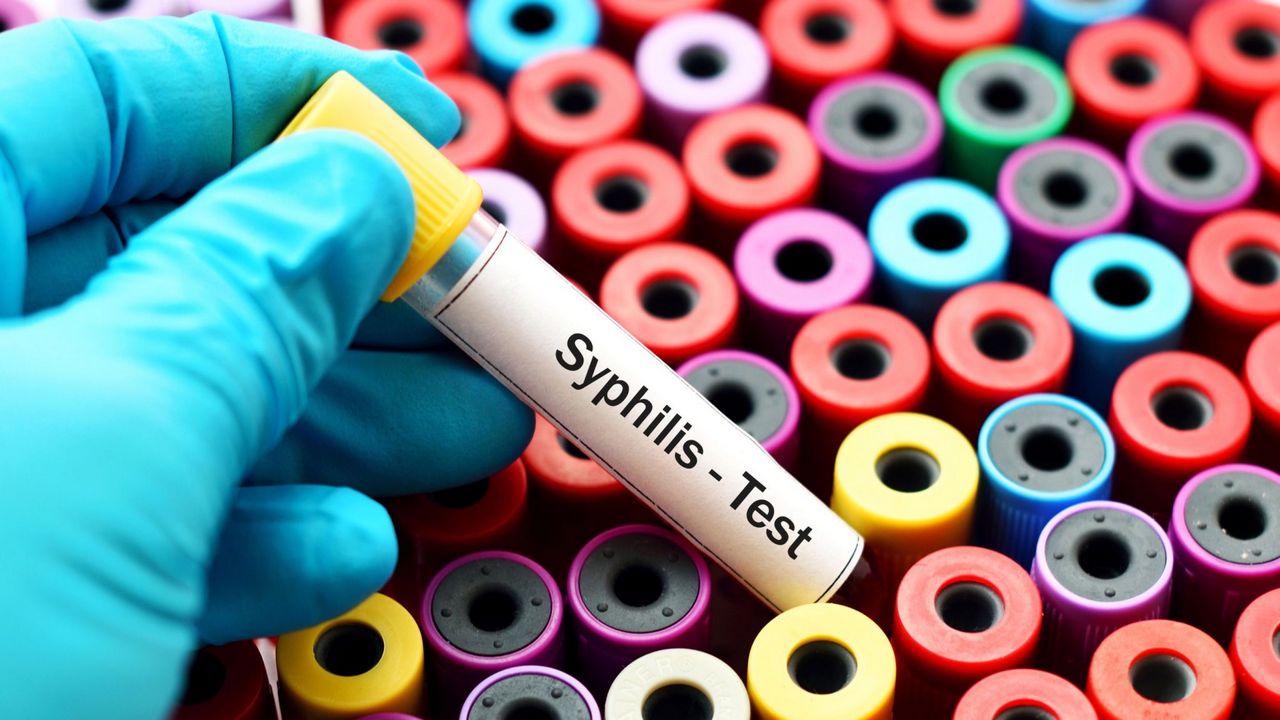
- Syphilis – This is a bacterial infection that generally infects the genitals, mucous membranes, and skin, but it can also involve the brain and heart. Syphilis occurs in 4 distinct stages. The first stage is a small, painless sore where the bacteria entered the body. The second stage includes a rash, fever, and sores all over the body. The third and fourth stages are more complex but can result in death or blindness.
This list is by no means complete. There are many more STDs you can become infected with. These are only the top 5.
Chlamydia
Chlamydia usually causes no symptoms in its early stages, but if left untreated, the infection can lead to severe pelvic inflammation, pelvic inflammatory disease (PID), and infertility. It’s especially dangerous for women of childbearing age when the cervix is quite immature and the protective lining in the vagina and vulva has not yet developed.
HIV
HIV is transmitted through contact with the infected saliva, sweat, semen, vaginal fluid or breast milk of an HIV-infected person. The exact number of people who are HIV-positive is not known, but it’s believed to be about 1.1 million in the USA. The Centers for Disease Control and Prevention says about 13,500 people are infected each year in the United States. Infections do not necessarily mean you have AIDS. If you are not infected with HIV but think you might be, you can take care of yourself.
Syphilis
Syphilis symptoms are: fever, chills, and headache; redness and swelling at the site of the infection. You will often have a positive test result on a pregnancy test. If you do get syphilis, you will get your first signs of illness within 1 to 2 weeks. The symptoms will usually appear in the joints, muscles, or genitals. Some people have no symptoms at all. After the first few months, the symptoms gradually fade, and you may not even know you have syphilis.
Common Causes
In a nutshell, all STD’s are contracted when a person has unprotected sex with an infected person. You cannot catch an STD from a toilet, from a towel, from shaking
The most common causes of STDs include:
- Unprotected Sex: Not using condoms or other barrier methods during sexual activity can increase the risk of contracting STDs.
- Multiple Sexual Partners: Having multiple sexual partners can increase the chances of being exposed to an STD.
- Sharing Needles: Sharing needles, syringes, or other equipment for injecting drugs can transmit STDs such as HIV, hepatitis B, and hepatitis C.
- Vertical Transmission: Pregnant women with STDs can transmit infections to their babies during childbirth or through breastfeeding.
- Skin-to-Skin Contact: Some STDs, like herpes and HPV (human papillomavirus), can be transmitted through skin-to-skin contact, even if there is no penetration or exchange of bodily fluids.
- Poor Hygiene: Not maintaining proper hygiene, such as not washing hands after sexual activity, can increase the risk of spreading STDs.
- Drug and Alcohol Use: Substance abuse can lead to risky sexual behavior, including unprotected sex and engaging in sex with multiple partners, which increases the risk of STD transmission.
The only STD you can get in a more
casual manner is herpes, which can be contracted from kissing someone ifyou have an open sore or cut on your lips or mouth.
Otherwise, all other STD’s are contracted through some type of sexual contact.
It’s important to practice safe sex by using condoms correctly and consistently, limiting the number of sexual partners, and getting tested regularly for STDs, especially if you are sexually active.
Read More